
Septic systems quietly handle wastewater for millions of properties, yet their environmental role is often misunderstood. Septic Tank Pumping Requirements exist to prevent unseen damage beneath our feet and beyond property lines. When tanks are ignored, waste escapes treatment, moving into soil, groundwater, and nearby waterways. This isn’t abstract science. It’s about drinking water, wildlife health, and community resilience. Understanding how pumping rules work reveals why routine maintenance is not bureaucracy, but environmental protection in action for future generations everywhere.
1. Why Septic Systems Matter More Than People Realize
A septic system isn’t just a box in the ground. It’s a working treatment unit that relies on time, bacteria, and balance. When pumping schedules are ignored, solids build up and disrupt that balance. Wastewater stops getting filtered properly and starts traveling where it shouldn’t. That’s when nutrients, pathogens, and chemicals seep into surrounding soil. Pumping requirements exist because the system’s failure doesn’t stay contained. It spreads quietly, affecting ecosystems far beyond the property line.
2. Pumping Rules Prevent Groundwater Contamination
Groundwater is more fragile than it looks. Numerous communities calculate on wells that pull water directly from underground aquifers.However, pollutants move presto through previous soil, If septic tanks overflow or leak. Nitrates, bacteria, and contagions do n’t need an assignment. Regular pumping reduces the cargo entering the drain field, keeping filtration effective. These conditions are n’t theoretical safeguards. They're practical walls that stop defiled wastewater from getting part of the water people drink every day.
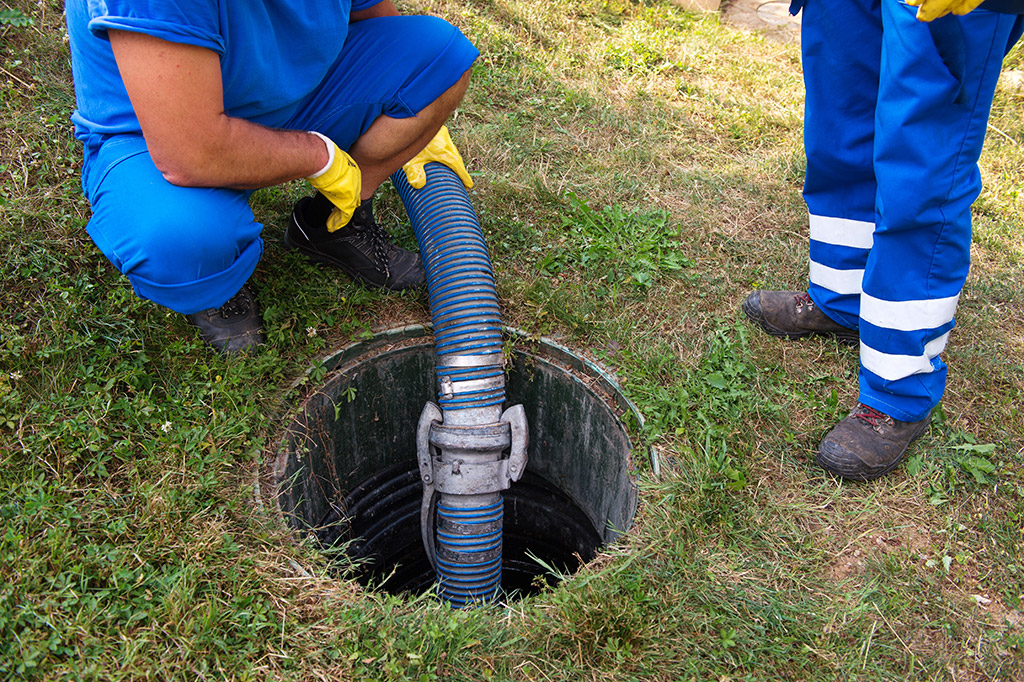
3. Protecting Surface Water Starts Underground
Lakes, rivers, and streams often suffer from problems that begin out of sight. Failing septic systems contribute excess nutrients that fuel algae blooms and oxygen depletion. Fish die. Plant life changes. Recreational water becomes unsafe. Pumping requirements reduce nutrient discharge before it ever reaches surface water. By removing accumulated solids, tanks function as designed. What seems like a small maintenance step underground plays a significant role in keeping visible water bodies alive and balanced.
4. Soil Health Depends on Proper Septic Maintenance
Soil is n’t just dirt. It’s a living sludge packed with microorganisms that help break down waste. When septic tanks go too long without pumping, solids clog the drain field and overwhelm the soil. Once compacted or impregnated, soil loses its capability to treat wastewater. Environmental damage follows presto. Pumping conditions cover soil structure and microbial life. Healthy soil means effective filtration, reduced pollution, and long- term system performance without unrecoverable ground damage.
5. Reducing Pathogen Spread Through Routine Pumping
undressed wastewater carries bacteria, contagions, and spongers that pose serious health pitfalls. When septic systems fail, those pathogens do n’t stay put. They resettle through soil and water, occasionally resurfacing far from the source. Pumping conditions lower this threat by precluding backups and leaks. Removing solids limits pathogen attention and movement. It’s a preventative approach that protects both ecosystems and people, especially in pastoral areas where septic systems and natural surroundings lap nearly.
6. How Pumping Standards Support Wildlife Protection
Wildlife frequently suffers first when wastewater escapes treatment. Amphibians, fish, catcalls, and insects are sensitive to chemical and bacterial changes in water. Septic pumping conditions help maintain stable conditions by limiting contaminant release. Without them, ecosystems absorb damage sluggishly but relentlessly. Creatures ingest polluted water or food sources, dismembering reduplication and survival. Environmental protection is n’t only about mortal health. It’s also about conserving territories that depend on clean water cycles.
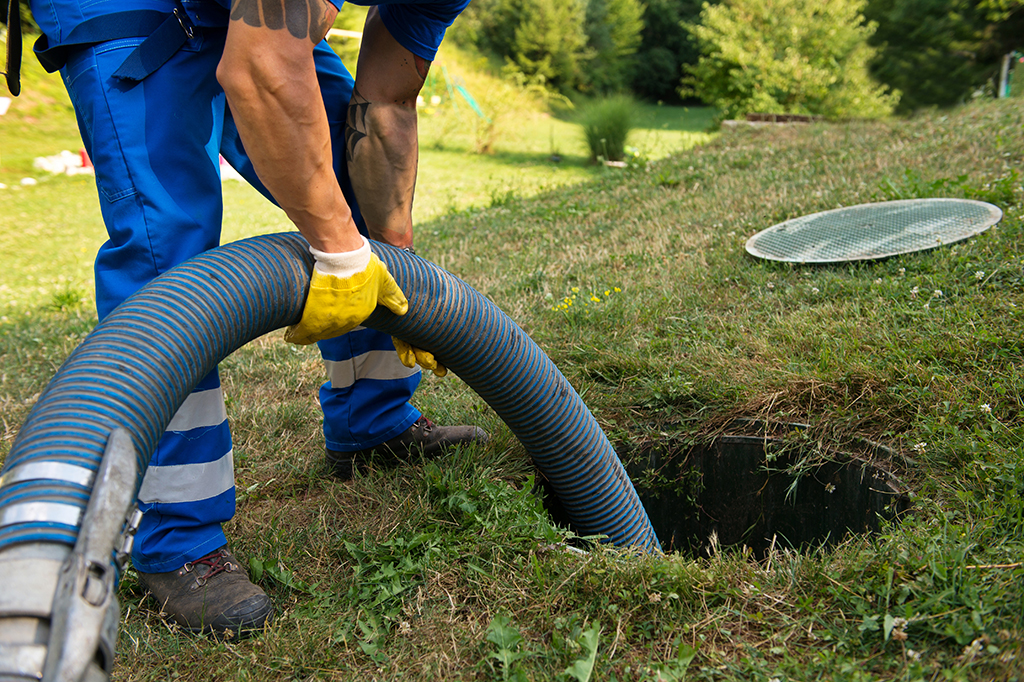
7. Preventing Long-Term Environmental Damage Is Cheaper
Environmental remittal is precious and infrequently perfect. Once groundwater is defiled or washes are damaged, recovery takes decades. Pumping conditions concentrate on forestallment rather than form. Regular conservation costs are far lower than restoring defiled ecosystems or replacing polluted water inventories. These rules reflect experience, not proposition. Communities have learned that visionary septic care reduces environmental liability. guarding nature early saves plutocrats, coffers, and ecosystems that ca n’t fluently be rebuilt formerly lost.
8. Climate and Weather Make Pumping Even More Critical
Heavier rains and unpredictable weather patterns increase pressure on septic systems. Saturated soil struggles to absorb wastewater, raising failure risks. Pumping requirements adapt systems to changing conditions by ensuring tanks aren’t overloaded. Less volume means better performance during storms and floods. Environmental protection now includes resilience. Proper pumping reduces runoff contamination and helps systems cope with climate-driven stress, preventing wastewater from spreading during extreme weather events.
9. Regulations Reflect Local Environmental Realities
Septic pumping conditions are n’t arbitrary. They’re shaped by soil type, water tables, population viscosity, and environmental perceptivity. Coastal areas, washes, and regions near drinking water sources frequently have stricter schedules. These rules admit that one failure can impact numerous. Pumping on time keeps systems aligned with original environmental limits. Regulations restate scientific understanding into practical action, icing septic systems with girding ecosystems rather than sluggishly demeaning them.
10. Education Turns Compliance Into Environmental Stewardship
When property possessors understand why pumping matters, compliance becomes purposeful. Septic conditions educate people how their diurnal habits affect the terrain. Pumping is n’t just about avoiding backups. It’s about sharing environmental protection. Informed possessors make better choices, from water operation to waste disposal. Over time, this mindfulness reduces system failures and pollution. Education transforms a nonsupervisory obligation into participated responsibility for environmental health.
Conclusion
Septic Tank Pumping Requirements protect the environment by controlling pollution before it spreads. They safeguard water, soil, wildlife, and communities through simple, consistent action. Ignoring them shifts hidden waste into public ecosystems with lasting consequences. Responsible pumping isn’t optional maintenance. It’s environmental defense. The same logic applies across wastewater systems, including commercial needs like emergency grease trap pumping, where prevention remains the most effective protection strategy


